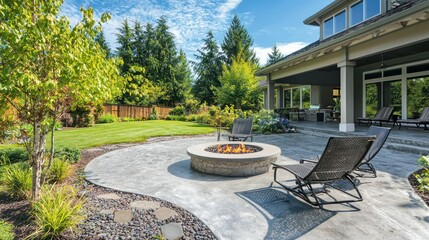
Concrete offers durability and versatility for a variety of outdoor living spaces. Here are five creative patio designs that incorporate the material to elevate your backyard oasis:
Soften up a hard concrete patio with a weatherproof rug. A painted faux throw rug can complement a sleek concrete surface while also adding depth and contrast. Visit https://www.gkconstructionsolutions.com/ for more information.
Stained Concrete
Concrete is durable, economical, and versatile enough to suit many different design styles. With the right finish, a concrete patio can become a cozy retreat for entertaining and relaxation. Concrete patio ideas can include a range of customization options to elevate your outdoor space, including stamping, staining, and contrasting borders. These features not only lift aesthetics but also highlight your unique style.
Stains can add color and depth to a concrete patio without hiding cracks or other blemishes. Acid-based chemical stains penetrate the concrete to create rich hues that enhance rather than conceal its surface. Alternatively, water-based stains create a translucent marbled effect that gives the concrete unique character and adds warmth. For a modern look, you can add contrasting borders to define your backyard oasis with varied colors or textures.
Polished concrete offers a sleek finish with a minimalist style that complements many furniture types. Its reflective surface improves natural light and makes your space feel larger. If you want to achieve a more rustic aesthetic, you can build a wood deck or install pavers over the concrete.
Patios can get very hot in the summer, especially if they’re exposed to direct sunlight. Fortunately, you can optimize your backyard’s comfort with a covered patio or ceiling fan, as well as by installing a pergola or adding shade curtains to your existing concrete patio.
Concrete’s durability makes it a great choice for hot climates, as it doesn’t transfer heat like other patio materials. However, it can crack in freezing weather if not properly installed or sealed. Luckily, correctly placed expansion joints and routine resealing will prevent cracking from becoming worse.
Whether you’re building a concrete patio from scratch or revamping an old one, these DIY concrete patio ideas can help you save money on labor costs and ensure your new space meets your expectations. If you have basic hand tools and know-how, a weekend of work is all it takes to transform your backyard into a functional outdoor living area. This guide will show you how to lay a basic concrete slab, build a fire pit, and add a variety of finishing touches.
Exposed Aggregate
Concrete is a versatile patio material, and the design options are nearly endless. It offers a less expensive option than some other popular patio materials like flagstone or pavers. It is also a durable material that can withstand moisture and extreme weather conditions. It can be molded into different shapes, stamped, colored, and stained to fit any landscape style or home.
Exposed aggregate concrete is a popular choice for patios because of its slip-resistant finish. This textured surface is created by mixing aggregate into the concrete mixture while it’s still wet. The aggregate usually consists of pebbles, stones, sand or other natural elements that give it a unique look.
This style of patio is ideal for bringing texture and visual interest to outdoor living spaces, walkways creating safe pathways, pool decks where slip resistance is important, and driveways where strength is required while adding curb appeal. It is easy to maintain with regular cleaning and a protective sealer.
To make concrete more approachable, add soft furnishings like rattan chairs and an organically shaped wood coffee table. Throw pillows and a textured weatherproof rug also make a big impact, and they can easily be switched out with the seasons or to match different color schemes. If you are using a concrete fire pit, plant surrounding plants to blur the harsh lines of the hardscape.
The great thing about concrete is that it can be shaped, colored and stained to mimic other (more expensive) patio materials. A skilled mason can use stencils and freehand designs to create unique patterns before the concrete is poured, and molds can be used to shape the concrete into distinct paver-like forms. In addition, it can be stamped to imitate the appearance of stone, cobblestone or brick. If you’re inspired by a specific material, your mason may be able to incorporate it into your patio’s design, but you should always check with them first before making any changes to the initial plan.
Smooth Surface
Concrete is a popular choice for patios because it offers a unique blend of durability and versatility. It’s also typically less expensive than traditional patio materials like flagstone, slate, or bluestone. Plus, it’s easily customized to fit any home and landscape style with a wide range of colors, stamps, and finishes.
Concrete patios can be made as sleek and contemporary or as earthy and textured as you desire. Choose a polished surface that reflects light, or integrate colored concrete into your mix to create a color that coordinates with your furniture and other decor. Exposed aggregate surfaces reveal the stones within, creating a textured finish that’s more durable than smooth concrete.
If you prefer a more traditional look, select a stamped or decorative concrete finish that mimics the appearance of other materials like stone, brick, or tile. This option offers the same cost-effectiveness of plain concrete, but with a more attractive appearance. Concrete can also be etched to reveal patterns, which lifts the surface and adds depth.
Once you’ve selected the right finish for your concrete patio, you can customize it even further with accents from other materials. For example, a wooden pergola provides a warm, rustic feel to a concrete patio while adding a focal point and shade. Alternatively, you can add steel railings for a sleek and modern aesthetic.
To soften the look of a concrete patio, opt for outdoor rugs that provide a layer of texture underfoot and help define seating or dining areas. Boldly patterned rugs offer a stylish design that stands out against the hard, clean lines of concrete. For a subtler touch, frame the patio with lush plants to blur the harsh lines of the concrete and introduce color and warmth.
Concrete’s heat-resistance makes it a great option for hot climates, but you may still want to consider installing a roof or pergola to provide some shade. If you decide against a permanent solution, curtains or umbrellas are an easy and attractive way to block the sun from the patio during peak hours. Adding a water feature to your patio is another easy and effective way to cool down the area.
Multi-Level Layout
Concrete patio ideas provide plenty of design opportunities to suit any style. For example, stamped concrete allows you to mimic the look of more expensive materials like flagstone or cobblestone while retaining durability and affordability. This technique involves pressing patterns into the concrete before it sets, allowing for a wide variety of shapes and textures. Another way to add visual interest is through staining, which can warm up the stark gray color of concrete and enhance the natural hues of its aggregates.
If your backyard space calls for a multifunctional patio, consider laying it out on several levels. These layered backyard patio ideas help break up large spaces, improve privacy and create zones for different activities such as dining or lounging. Tie the levels together with stairs crafted from the same paving material for a seamless look. Or, boldly emphasize a change in level with contrasting surfaces — for instance, a sleek Rinox paver patio paired with a rugged composite deck. Lighting is also an excellent way to highlight a stacked layout, such as submerged uplighters that cast enchanting shadows over a cascading curtain of water falling into a pool below.
Concrete’s neutral color lends itself to a sleek minimalist style, but you can add warmth and texture with furniture, decor and outdoor fabrics in complementary colors. For example, this symmetrical patio seating arrangement features orange and teal chairs and throw pillows that pop against the brown exterior siding of the home. A black outdoor rug adds contrast and pulls the look together.
Adding plants is an easy way to soften the look of a concrete patio. Choose plants that thrive in your climate and add visual interest with their colors, textures, and heights to blur any harsh lines created by the hardscape. If you are concerned about committing to permanent greenery, work on a mobile layout with containers that can be moved around as your tastes or seasonal needs change.
With proper installation and maintenance, your concrete patio can become the perfect foundation for a functional and stylish backyard retreat. Whether you opt for sleek pavers, textured exposed aggregate or a dimensional multi-level layout, these concrete patio ideas will help you transform your backyard into a welcoming oasis.